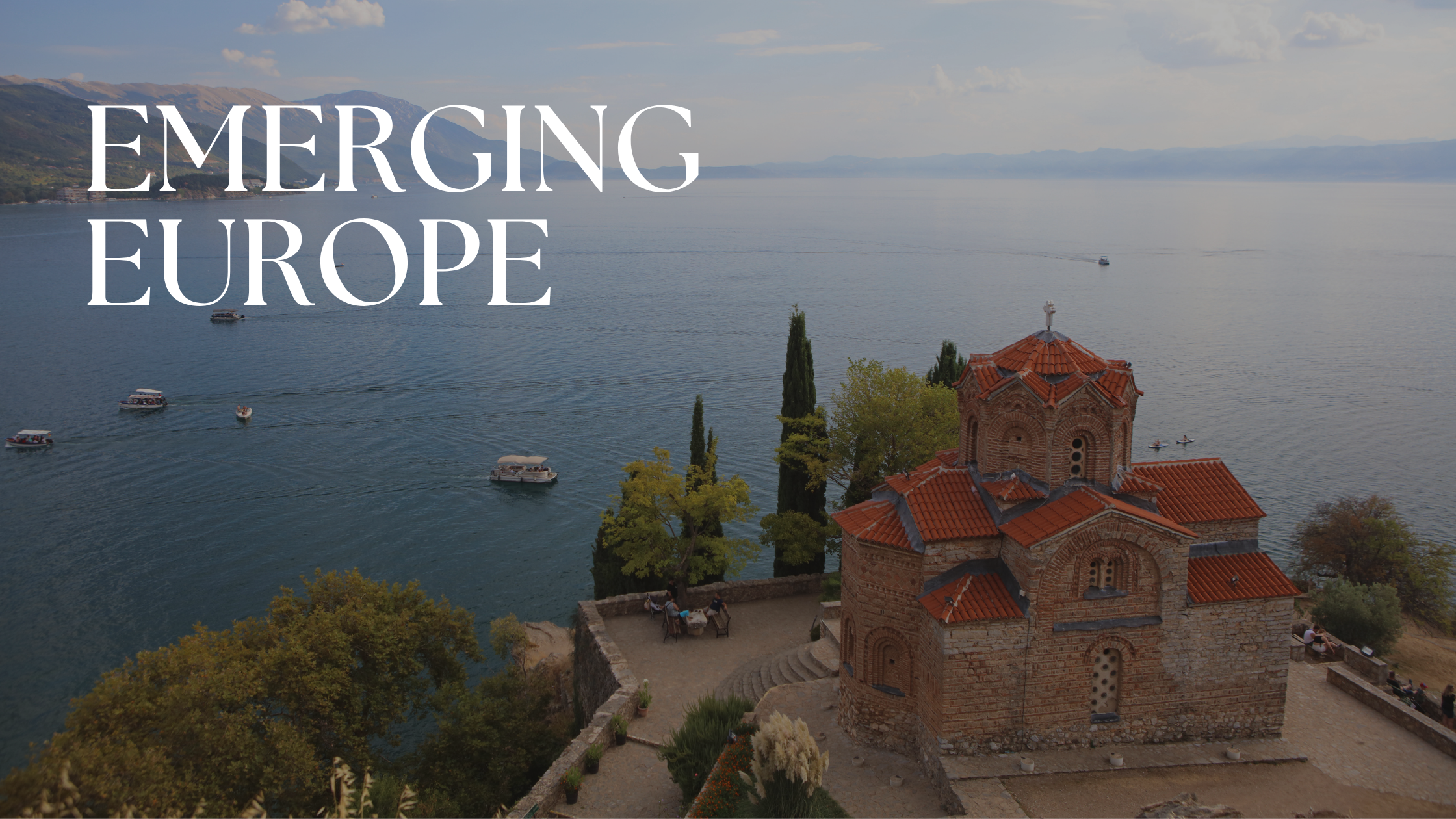
Emerging Europe MICE destinations are gaining ground fast. The Incentive Travel Index 2025 — conducted across 2,708 professionals in 85 countries — shows 48% of Western European buyers plan to increase their use of the region by 2027. Moreover, 69% of buyers globally are actively seeking destinations they haven’t used before. Georgia, North Macedonia, Albania, and Bosnia & Herzegovina are where that demand is heading. Most planners haven’t noticed yet.
Georgia — Tbilisi & Kakheti
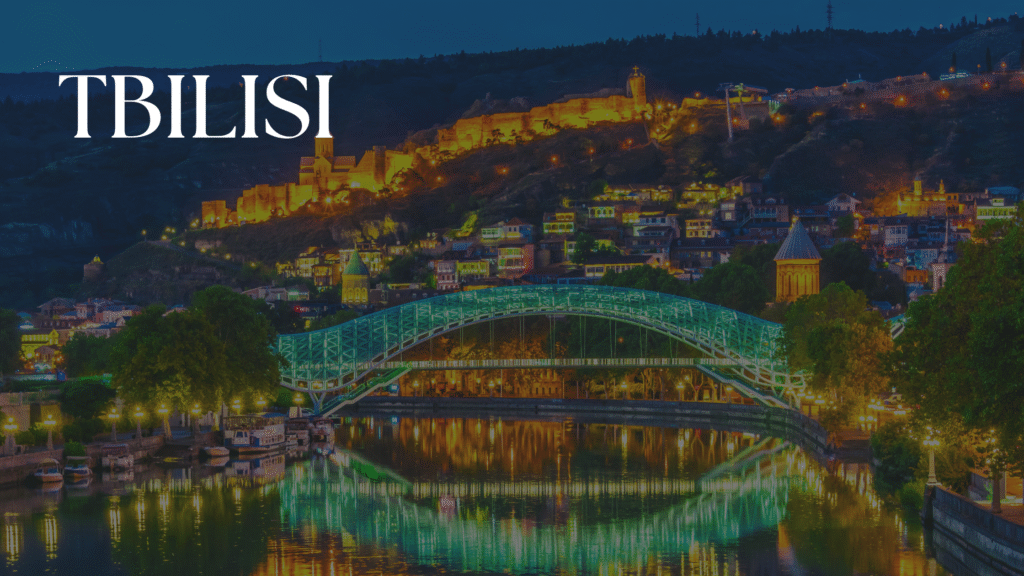
Georgia sits at the crossroads of Europe, Central Asia, and the Middle East. That geography makes it operationally interesting for multinational groups. Tbilisi International Airport connects directly to Istanbul, Dubai, Frankfurt, and Doha. As a result, planners can build flexible routing for groups arriving from multiple origins. On the ground, Radisson Blu, Marriott, and Hilton-branded properties carry full meeting infrastructure. Additionally, Expo Georgia handles large-format congresses and exhibitions. The Georgian government actively supports international organizations hosting large-scale events — in other words, this is a destination working to make itself useful to planners, not just to leisure travelers.
Furthermore, the cultural programming potential is strong and specific. The supra — Georgia’s ancient communal feast led by a tamada, or toastmaster — is one of the most memorable group dining experiences available anywhere. It belongs entirely to Georgia. In addition, the wine region of Kakheti adds a credible incentive extension. Producers here have been making wine in clay vessels called qvevri for over 8,000 years. However, Georgia sits outside the mental map of most Western European and North American planners. That makes the internal client pitch harder — but for clients who want genuine differentiation, it is exactly the opportunity.
North Macedonia — an emerging Europe MICE destination built around Ohrid
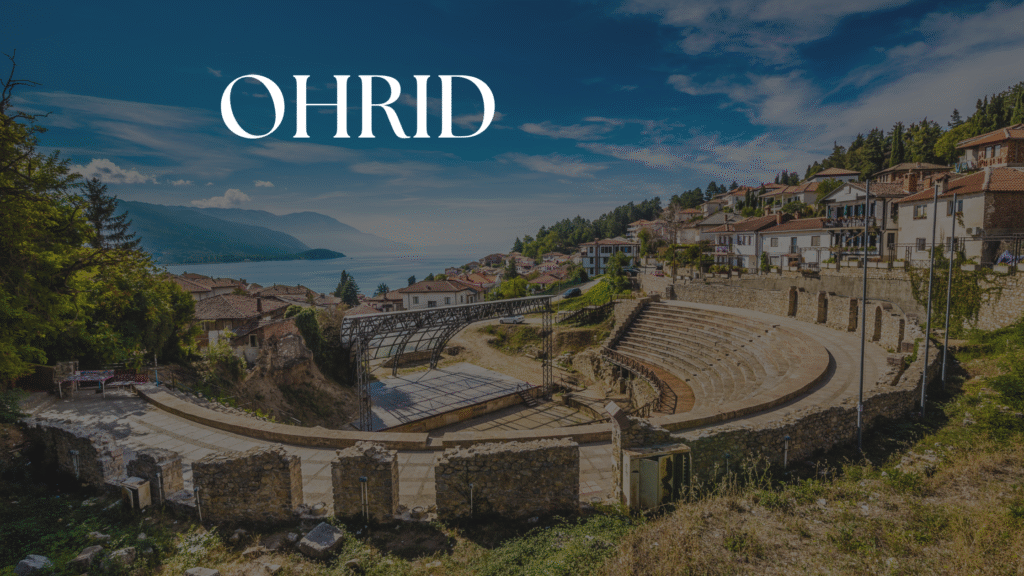
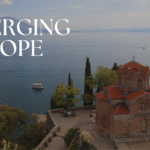
The argument for North Macedonia is not Skopje — it is Ohrid. This UNESCO World Heritage site sits on a lake of extraordinary clarity. Byzantine churches, Roman-era amphitheatres, and a medieval old town surround it. Consequently, mass tourism has not arrived here yet. For executive retreats and small incentive groups, Ohrid carries significant emotional weight. For example, Liberty International — one of the region’s most capable destination management companies — has executed lakeside monastery galas, helicopter programs, and private amphitheatre access for corporate groups. In addition, the Tikveš wine region offers a natural incentive extension: ancient vineyards, private tastings, and dinners with genuine historical context.
However, Skopje’s MICE capacity is limited for large groups. Any proposal should address this directly. The capital works well for regional meetings, but it cannot anchor a major international congress or large incentive program. In contrast, Ohrid works best for groups under 200 where intimacy is a feature rather than a constraint. Therefore, planners who have rotated through Croatia, Slovenia, and Montenegro and want the next character-rich destination in the region should look here — before the rest of the market does.
Albania — Tirana & the Riviera
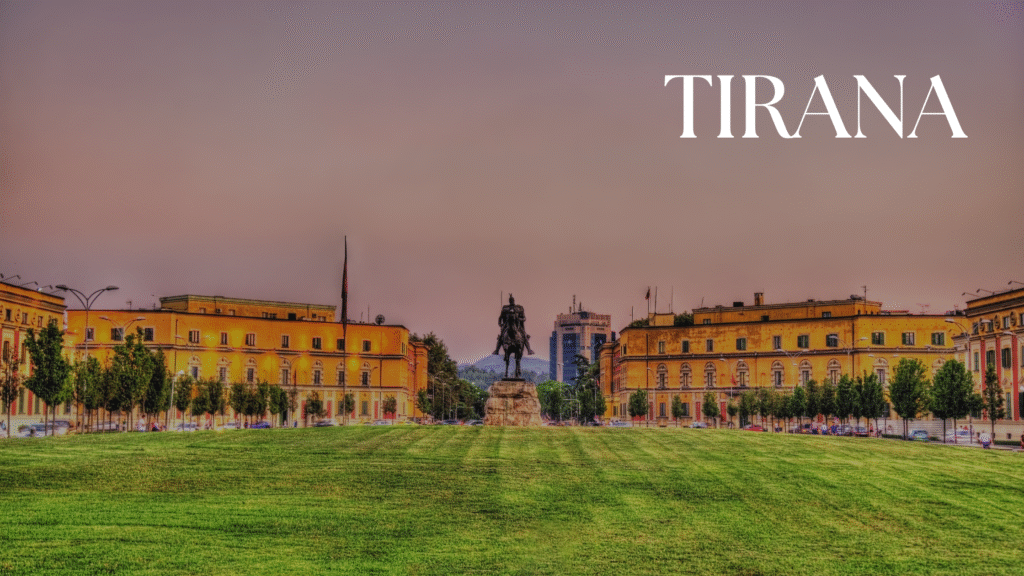
Albania is the most emergent destination on this list. The Ionian coastline rivals the Greek islands — without the crowds or the prices. In addition, three UNESCO World Heritage Sites anchor the cultural argument: Butrint, Berat, and Gjirokastër. Hotel development is accelerating. For instance, the MGallery Collection opened its first Albanian property on the Ionian coast in June 2025. Tirana holds modern conference venues with full audiovisual and translation capability. Furthermore, a third international airport near Vlorë is under construction. As a result, direct air access to the southern Riviera will open for incentive groups. The Albanian government also signed a Memorandum of Understanding with the Global Sustainable Tourism Council in 2024 — a relevant signal for clients with environmental and sustainability commitments.
Nevertheless, Albania’s MICE infrastructure outside Tirana is still developing. A planner who books a large congress on the Riviera without verified venue capacity and a tested destination management company takes on real risk. Therefore, the sweet spot right now is incentive programs and mid-size corporate events for groups that value authenticity, competitive pricing, and the sense of arriving somewhere before it becomes obvious. That window will not stay open for long.
Bosnia & Herzegovina — Sarajevo & Mostar
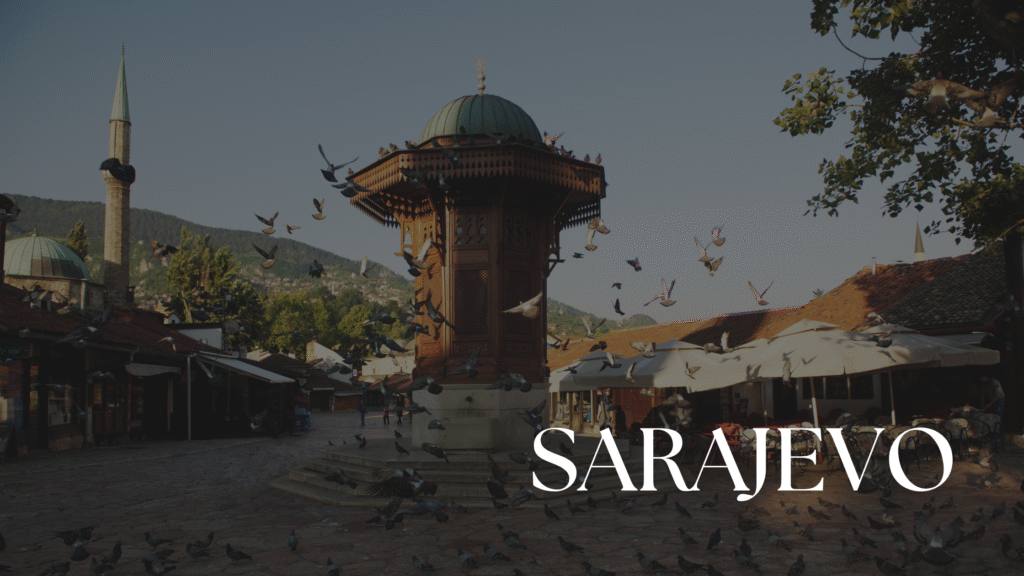
Bosnia & Herzegovina carries visible layers of Ottoman, Austro-Hungarian, and contemporary European history. The architecture shows it. The food shows it. Moreover, the religious geography of Sarajevo — where a mosque, a cathedral, an Orthodox church, and a synagogue stand within steps of each other — shows it most clearly. The capital connects to over 30 destinations via Turkish Airlines, Wizz Air, Ryanair, and Pegasus. Consequently, Istanbul serves as a critical hub for multinational groups arriving from Europe, the Middle East, and Asia. Courtyard by Marriott, Swissôtel, and Radisson-branded properties all sit within walking distance of the old town. In addition, Vijećnica — the restored 19th-century city hall — opens for galas, and Zetra Olympic Hall handles large plenaries and exhibitions.
Mostar, furthermore, belongs on incentive itineraries for reasons beyond its famous bridge — though that bridge carries its own program narrative. Builders reconstructed the Stari Most after its deliberate destruction in 1993. It stands again as a symbol of what a community chose to rebuild. Hotel Mepas holds up to 700 for congress formats. However, planners should verify audiovisual capability and hybrid-readiness at venue level, and build supplier relationships through MICE BiH before committing to a proposal. For a deeper operational breakdown, see the full Bosnia destination guide on this site.
Why these four destinations matter now
What these four emerging Europe MICE destinations share is a position in time. Infrastructure is functional. The cultural argument is strong. In addition, competition on most planners’ shortlists is still low. The Incentive Travel Index data shows the market is already moving in this direction. Therefore, planners who build destination management company relationships and supplier knowledge in these markets now will have credible, differentiated proposals when their clients ask for something their competitors aren’t offering yet.
Sources: Incentive Travel Index 2025, IRF + SITE Foundation + Oxford Economics (n=2,708 respondents, 85 countries, October 2025). UNESCO World Heritage List. MICE BiH. Albania Tourism. Georgian National Tourism Administration.